Building a cyberdeck has become the latest form of protest against the tyranny of Big Tech
They are small "handcrafted" computers, built with old, cheap, and second-hand parts, and customized in every possible and imaginable way.
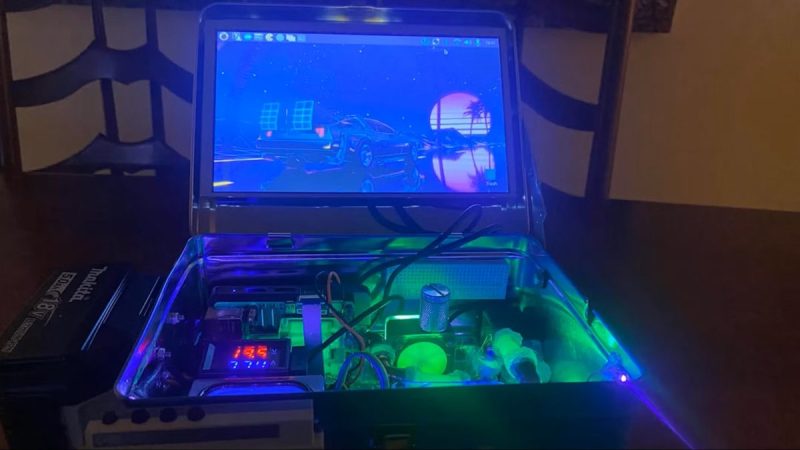
The guilt that comes from knowing that the device or software we rely on every day is produced by a company that could cause environmental damage or contribute to human rights violations or financially and politically support Donald Trump may soon end thanks to the spread of the cyberdeck. Programmer Tru Narla, reached by Dazed, describes these devices as “custom-built portable computers, usually designed according to the taste, workflow, and imagination of those who build them.”
https://www.tiktok.com/@ubeboobey/video/7617504220182269206?q=cyberdeck&t=1777892341243
They are relatively simple to make, often using single-board computers like the Raspberry Pi, along with small screens, old keyboards, and cases. The most important thing is that everything is extremely and easily customizable. Among the new generation of cyberdeck creators, great emphasis is placed on reusing parts already available or purchasing second-hand parts. The ability to customize is what is transforming the cyberdeck into a political statement as well: customization is seen as an act in open contrast to Big Tech companies, which in recent years have heavily invested in the standardization of devices both in terms of functions and aesthetics. Each cyberdeck is designed to be essentially the opposite of commercially available devices: there are only unique specimens, all built to be different from each other in terms of colors, sizes, and functionalities.
https://www.tiktok.com/@zinacodes/video/7627331633011510559?q=cyberdeck&t=1777892341243
By recovering used or inexpensive components, a new generation of creators is rediscovering the wonder of technology freed from the perpetual internet connection, objects that store music, short videos, and thousands of articles without ever going through a proprietary server of a Silicon Valley company. Between nostalgia for the colorful gadgets of the 2000s and solar/steam/cyberpunk influences, the cyberdeck is not just a technological object but a way to reclaim decision-making power and transform consumption into expression. Thus demonstrating that rebellion against the broligarchy can also start by building your own computer. It just needs to be small, colorful, and quirky.