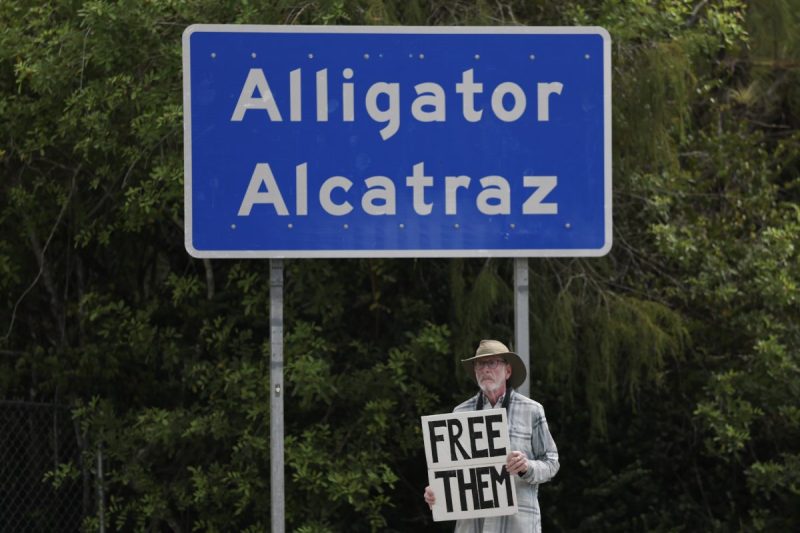
Mamdani has managed to block the rent increase for almost half of New York’s homes for at least a year.
"A historic victory for the tenants of New York," the mayor commented on the decision, formalized by the vote of the Rent Guidelines Board.

"Trump is the only head of state in the world supportive of Israel. I wouldn't attack the only ally I have left," said the U.S. Vice President at a press conference.
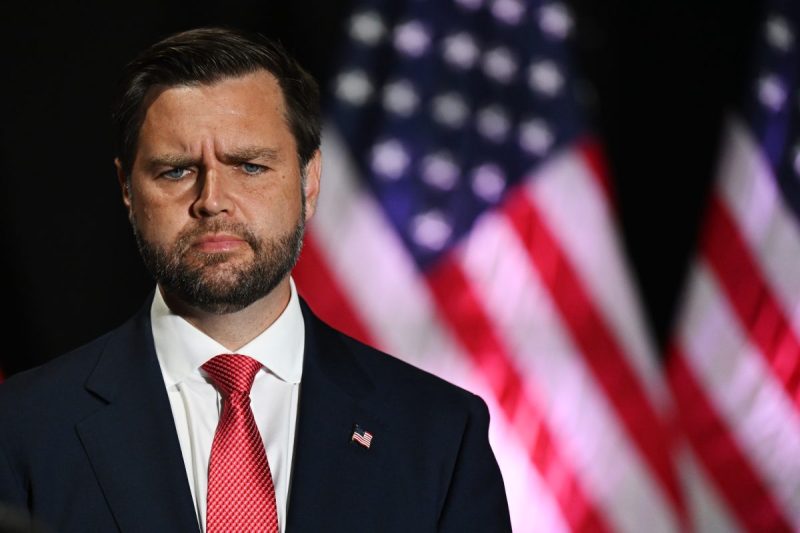
J.D. Vance has said what the Trump administration has been thinking for months but had not yet articulated with such clarity. During a press conference at the White House, when asked about reports that Netanyahu was furious about the agreement with Iran (which does not address the Iranian missile program and does not offer a clear path for dismantling nuclear facilities), Vance responded: «Donald J. Trump is the only head of state in the world who is currently close to the State of Israel. If I were a member of the Israeli government, I might not attack the only powerful ally I have left in the world». He then added, addressingcertain ministers (it was clear to everyone from the start that the message was directed at Itamar Ben-Gvir and Bezalel Smotrich), that two-thirds of the defensive weapons that have «protected Israel» in the past two and a half years «have been built by American hands and paid for with American taxpayers’ money». And indeed, the United States provides Israel with about 4 billion dollars a year in military aid.
As theNew York Timeswrites, Vance addressed those certain ministers who criticized the peace agreement between the United States and Iran in a decidedly undiplomatic manner. «What exactly is your proposal? You are a country of 9 million people. You cannot solve every single national security problem with massacres», he said, referring again to Ben-Gvir and Smotrich. Ben-Gvir responded to him on X: «This is the proposal: to confront the Nazis of the 21st century, just as the United States confronted the Nazis of the 20th century». Meanwhile, Israel has published a map showing an expanded military control zone (again) in southern Lebanon and has stated that it does not rule out further attacks, openly challenging the terms of the recently signed agreement between Washington and Tehran. Netanyahu, in his first public comments on the matter, said that Israel values its good relations with the United States but will continue to occupy southern Lebanon. So, evidently, he values the occupation of Lebanon more than good relations with the United States.
The context in which this dispute arises is that of a war, the one between Israel and Iran, which began almost four months ago, disrupting the geopolitical balances of the region, shaking markets, and causing damage and casualties without anyone really understanding what the objective of the United States was, which entered this war immediately, alongside Israel. This week’s agreement formally ends the conflict but leaves open the questions that generated it. Among these: what will happen to the Iranian nuclear program? And the missile program? What role will Hezbollah have in Lebanon? For Israel, the agreement is an American solution to an Israeli problem, negotiated without taking Israeli conditions seriously into account. For Washington, which attacked and then mediated and then pressured and finally signed, Jerusalem’s criticisms are a sign of ingratitude from a country that depends almost entirely on the United States for its defense. For Iran, the agreement is not to be considered valid if Israel continues to attack and invade Lebanon. In fact, knowing all this, knowing that Vance was the head of the U.S. diplomatic delegation that negotiated the peace agreement with Iran, one understands the Vice President’s exasperation.