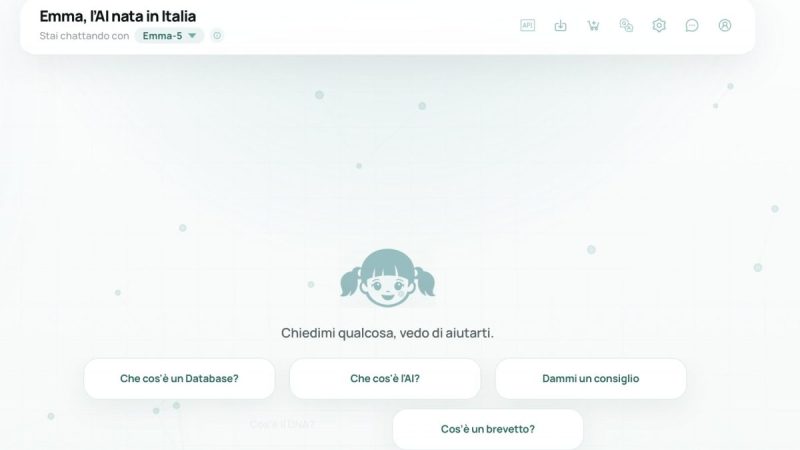
In South Korea, “dopamine sites” are becoming increasingly popular, meaning sites where you pretend to buy things just to give your brain the pleasure of shopping.
Websites where you order food from non-existent restaurants or clothes from made-up stores. All to get that dopamine rush without spending money.
When you buy something online, the resulting happiness begins the moment you click the “buy” button. That pleasant tingling is largely due to the secretion of dopamine, a neurotransmitter aptly called the “hormone of pleasure and reward.” The problem arises when the need for dopamine has to contend with the limits of the wallet. To circumvent the necessity of paying to obtain dopamine, in South Korea, so-called “dopamine sites” have been created, sites that are gaining popularity among young people and that recreate familiar experiences without the transaction that normally completes them.
Among these, there is a fake food delivery site, complete with delivery times and ratings to assign to restaurants (minimum one star, maximum five), practically indistinguishable from a real food delivery app, at least until you reach the last step, the one where you press the button to pay, which isn’t there. Another site takes its name from the Korean slang for a smoke break, dambae time. There, users see a “start” button, see in real time who else is online, and also have access to a live chat where they can leave anonymous messages, thus transforming the site into a virtual break room, without cigarettes or humans. The execution of the ritual without the act of the ritual or the company with which to perform the ritual.
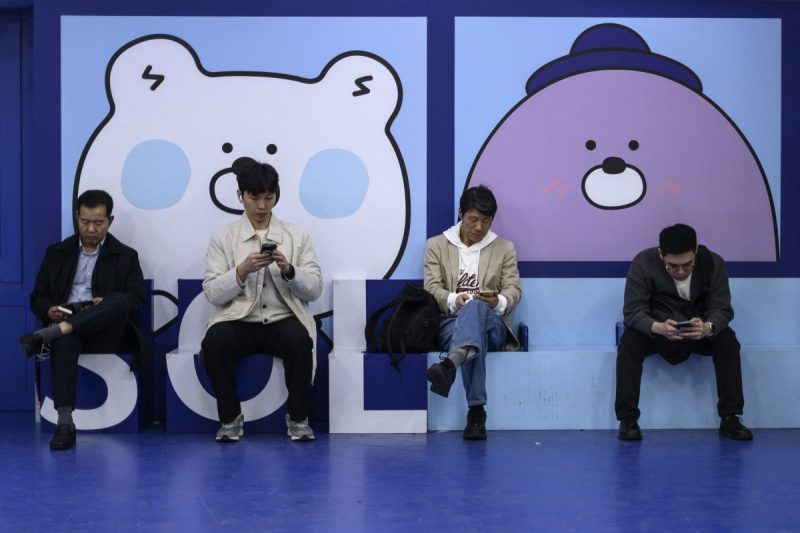
Ordering food without eating, smoking without inhaling smoke. The comfort comes not so much from the real experience but from knowing that others are in the same small virtual space, at the same time, pretending to do the same thing. It is a form of connection that does not require relationship, that does not impose reciprocity, that does not produce social anxiety and that above all does not impose any payment. The pressure that disappears is not only that of payment but that of having to decide and commit.
Kim Heon-sik, a professor at Jungwon University in Goesan, explains the phenomenon with an increasing spread of internet culture, now entirely based on constant stimulation and indirect experience. As written in The Korea Times, the most sensible comparison is with mukbang (those videos where you watch someone eat large amounts of food, content that in some cases has shown the effect of satisfying viewers’ appetites without them having to eat anything). “Recently, there are more contents that allow people to indirectly experience things like alcohol, cigarettes, and food,” he said. “These sites also reflect the desire to experience satisfaction or live an atmosphere similar to those felt and lived in those situations, without actually participating in real life.”
The most precise explanation given by Kim, however, does not concern stimulation but exhaustion. “This is an era marked by uncertainty and burnout. To find comfort, today people just need to feel even vaguely connected.” Dopamine sites are the digital equivalent of sitting in a bar without talking to anyone, presence without sociality. The fact that they are designed to meet this need, evidently increasingly widespread, is proof of how the internet has definitively transformed human beings. At a level, literally, chemical-molecular.