In London, they had to cancel an event on extreme heat due to the extreme heat.
An event where the theme was finding a way to survive extreme heat without disrupting daily life.
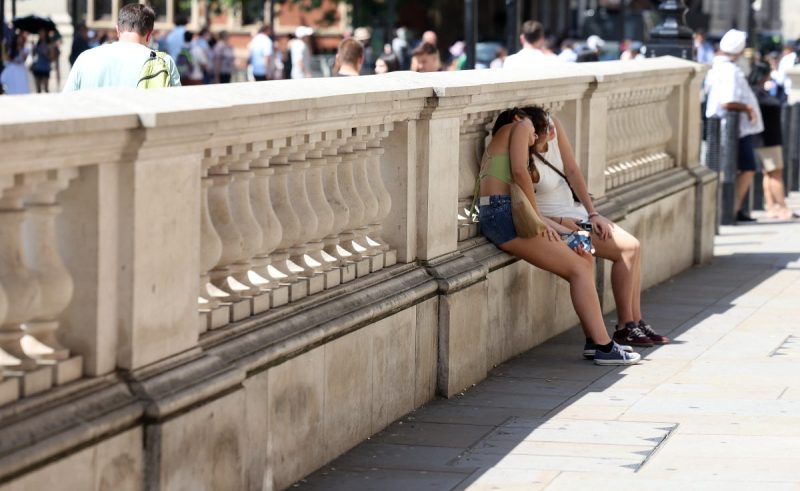
Extreme Heat, Improving governance and strengthening action around the world, one of the main events of Climate Action Week in London, was scheduled to take place at the Shaw Library of the London School of Economics. However, the organizers from the Grantham Research Institute and the Zurich Climate Resilience Alliance were forced to cancel everything after the Met Office issued a weather warning due to extreme heat for Greater London and a vast area extending to Swansea, Somerset, and Birmingham.
The official reason for the cancellation is yet another proof of the structural vulnerability of northern European cities (actually of all Europe, but here we are talking about a northern European city). The organizers explained on social media that the event venue, like a large part of London’s historic buildings, is not equipped with air conditioning or cooling systems. Subjecting speakers and guests to unbearable temperatures, as well as to public transport journeys where air conditioning is often absent or malfunctioning, would have jeopardized everyone’s well-being. Hence the decision to cancel the event, apologize to everyone, and invite those who intended to participate to stay safe, that is, cool.
The British weather forecast indeed predicts an unprecedented heatwave and humidity, with temperatures exceeding 37 degrees in the shade, with peaks in some areas of England and Wales potentially reaching 38 or even 40 degrees. The situation will worsen due to the unusually warm and muggy nights of these days, which prevent homes – places in general – from cooling down. Experts from the Zurich Climate Alliance have reminded that the impact these phenomena will have in the future (or rather: the damage they will cause in the years to come) will depend on how cities manage local risk, creating effective response plans. In an interview with theIndependent, Chris Anderson, a climate resilience expert for the organization Practical Action, emphasized the absurd backwardness regarding climate welfare of a metropolis like London, reiterating, however, that Europe and the United Kingdom must act much faster than they are currently doing to build effective defenses against extreme weather events.
The irony (bitter, we realize) is that the meeting was supposed to host people from countries where extreme heat is no longer an emergency but daily management. As concluded by a spokesperson for Practical Action: if even the United Kingdom is struggling to manage a heatwave, it becomes vital to take the climate crisis seriously and start learning promptly from the experiences of the rest of the world.