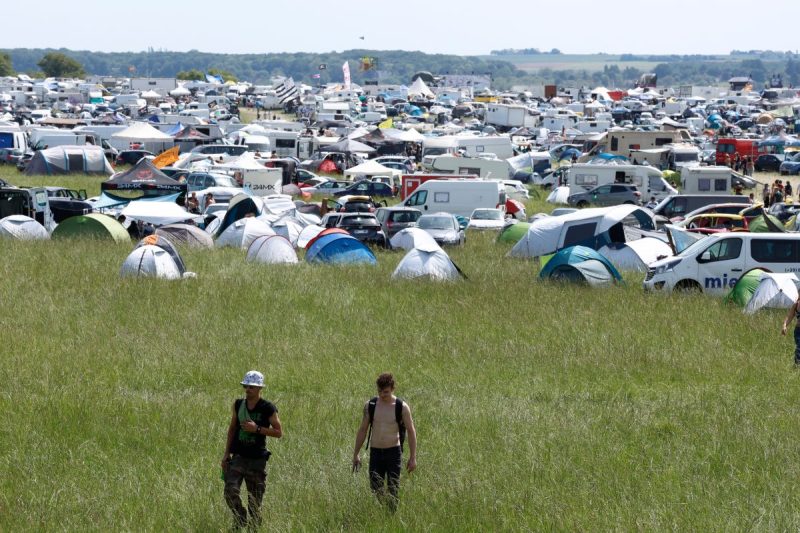
The heatwave has been a disaster for independent music festivals, which were already struggling.
Just last weekend there were half a dozen concert cancellations and festivals that were called off. Some may never return.

Two genres that seem to be very distant and that, not without a certain surprise, have discovered in Berlin that they go very well together.
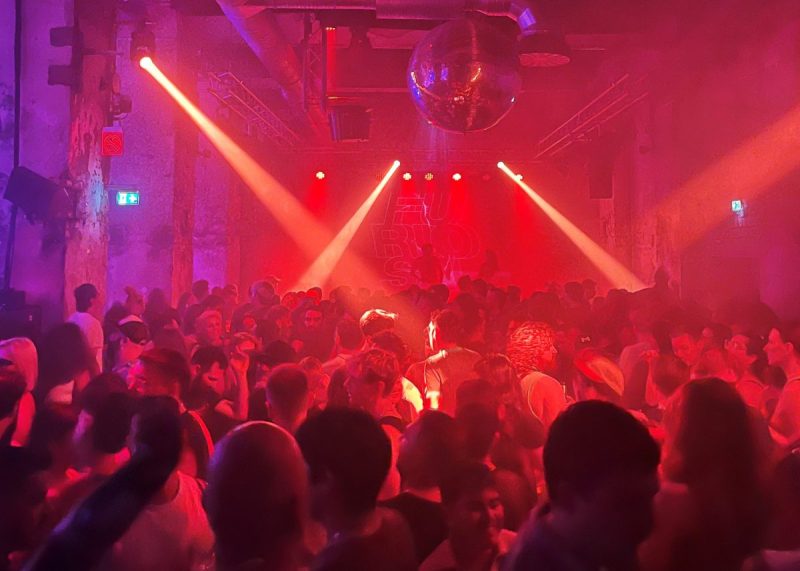
In Berlin (too) jazz has left the theaters and ended up dancing in clubs. It all started in Berlin’s basements through a network of musicians who began to mix the improvisation of jazz with the beats per minute of techno.
An example of how these seemingly distant genres actually communicate wonderfully is Àbáse, the stage name of Hungarian pianist Szabolcs Bognár, who has always paired the study of classical piano with the search for rare vinyl – the art of crate digging, that is, digging through boxes full of old records among the shelves of stores – and beat production. In his most well-known and appreciated albums, such as Layorê (2021), the obsessive rhythms of Brazilian jazz meet heavy electronic beats. Àbáse has done a similar operation with his most recent album, Awakening (2024). This same nascent musical movement also includes Ziggy Zeitgeist, an Australian drummer who found his musical home in Berlin – of course, he was struck by lightning on the way to Berghain – and who found in the minimalism of techno a tool to transform the music of his band, the Zeitgeist Freedom Energy Exchange. Zeitgeist’s reinvention became an album titled In the Key of Corporate Efficiency.
For those who want to explore and delve into the history of “techno jazz” (a term we coined, we clarify, there is still no official name, DJMag, in its report dedicated to this new scene, uses the term electronic jazz underground) there are two other fundamental albums to recover. To start, the The Return by Kamaal Williams, a masterpiece of modern jazz-funk, and Elaenia by Floating Points, a masterpiece where analog keyboards and electronics blend perfectly. Moreover, if you happen to travel to Berlin and want to experience this live, go to Gretchen in Kreuzberg, a former military structure from the 19th century, now a club that combines jazz, hip-hop, and drum’n’bass, or to KWIA, a queer listening bar in Mitte, where spiritual jazz and soft electronics are played.
If you become passionate about this genre of music, know that every year, in May, there is also a dedicated festival: the XJAZZ Festival, an event born precisely with the aim of taking jazz out of theaters to bring it dancing into clubs.