The latest trend in tourism is the extreme daytrip, which means trips abroad, with low-cost flights, that last only one day and in which everything worth seeing is visited in 24 hours without ever stopping.
It is the day trip taken to the extreme. Of stress, of touristification, and of environmental impact, above all.
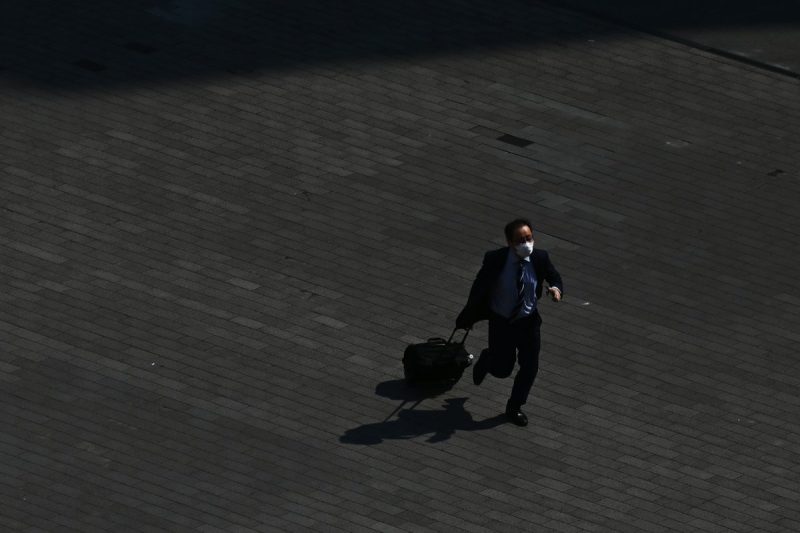
Leaving early in the morning, with the first available flight, landing in the chosen city and ticking off as many items as possible from the list of things to do, see, and eat on site, before returning home on the last flight of the day and sleeping in one’s own bed. This is the goal of theextreme daytrip, the “day trip” taken to the extreme. A tourism trend that, according to the data reported by Bbc, is on the rise both in the United Kingdom and across the Old Continent, as well as obviously on social media, where users exchange experiences and tips. A trend that was almost inevitable given how perfectly it fits at the intersection of contemporary obsessions and the needs of those who increasingly want to travel but have less and less money and time to do so.
Theextreme daytrip is the exact opposite of slow tourism that rediscovers alternative, smaller, and lesser-known destinations, even if it often involves the same locations. The idea is to take a day trip, but using low-cost flights as the means of transport, thus reaching destinations that would normally be out of reach by car or train within twenty-four hours. For this reason, one leaves very early in the morning, armed only with hand luggage and a carefully planned itinerary to minimize downtime and manage to do as much as possible once arriving at the destination. Since low-cost airlines are preferred, the most convenient routes to keep the cost of the trip down are precisely those that often connect large urban centers to small local airports, those located near small towns. Places that are still interesting to discover and can be visited all in a single day, seeing everything there is to see in just a few hours.
For some, theextreme daytrip is just the latest facet of the obsession with “maximizing” every aspect of existence. A “maxxing” that applies not only to work performance, physical appearance, sleep, and diet, but also to leisure time. The important thing is to be able to say that one has compressed their travel experience into many fewer hours than usually required, seeing in the tripmaxxing (a term of our invention) of a day off a positive outcome. For many people, however, this way of traveling is not a choice but a necessity: few funds and even fewer opportunities to take a reasonable amount of time for rest and travel push more and more people to try to make the most of the few free days they have in the year.
However, there is an undeniable downside: using flights to spend a few hours abroad and then taking another flight to return home is the worst thing one can do for the environment. If something positive comes out of the crisis in the Strait of Hormuz, it will be this: there won’t be enough fuel for everyone, and the first to have to do without their low-cost flight will be those who want to take a day trip abroad.